Property tax relief for older homeowners
Homestead exemptions, senior freezes, income-based credits and deferral programs: what they are, who they help, and why you usually have to ask.
Published November 3, 2026
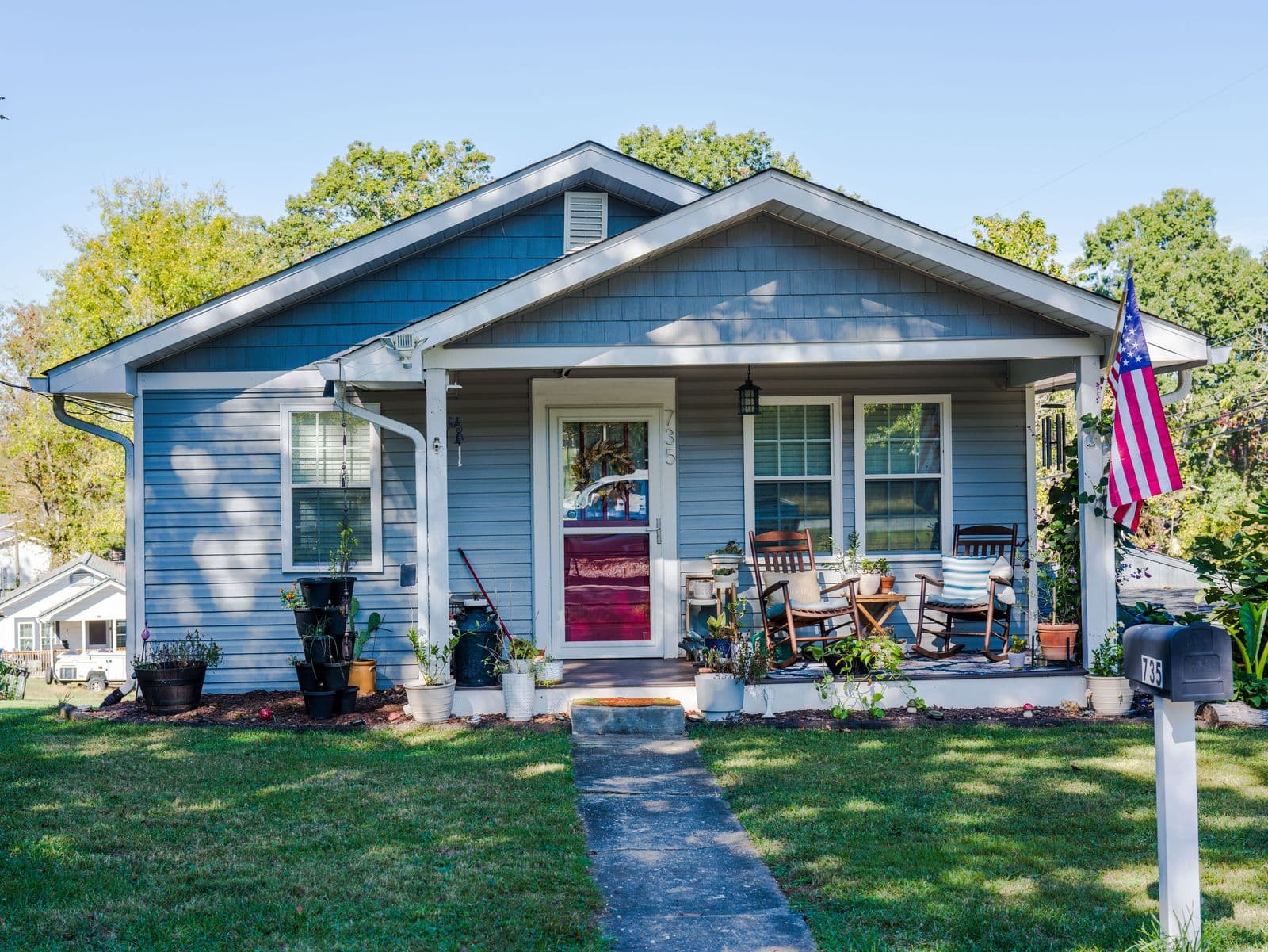
For many retirees, property tax is the one housing bill that keeps rising after the mortgage is paid off. If your income is fixed and your home's value keeps climbing, the bill can start to feel like rent on a house you already own.
The good news: nearly every state offers some form of relief, and many people who qualify never apply. The details vary a great deal from state to state, and often from county to county, but most programs fall into a handful of types.
Homestead exemptions
A homestead exemption takes a set amount off your home's taxable value because it's your main home. It's the most common kind of relief, and it's usually available at any age. Some states and counties offer a larger exemption once you turn 65.
Senior freezes and assessment limits
Some places freeze the taxable value of an older homeowner's home, so the bill stops rising with the market. Others cap how much your assessment can go up each year. A freeze often comes with an income limit, and it may stop the value from rising rather than the tax rate.
Income-based credits ("circuit breakers")
A circuit breaker is relief tied to your income: if your property tax is more than a certain share of what you earn, the state gives back part of the difference, sometimes as a credit on your income-tax return. Some states extend the same idea to renters, since part of rent goes toward property tax.
Deferral programs
A deferral lets you postpone paying some or all of your property tax until you sell the home or after your death. The deferred amount usually becomes a lien on the home and may build up interest. It can help someone who's house-rich and cash-poor stay put, but it reduces what's left from the sale for you or your heirs, so it's worth weighing carefully.
Veterans and disability exemptions
Many states offer extra relief to veterans with a service-connected disability, to surviving spouses of veterans, and to homeowners with a disability, sometimes at any age.
If you might move within your state
A few states let you take some of your tax break with you. California, for example, lets homeowners 55 and older transfer their home's lower taxable value to a new home anywhere in the state, up to three times. Florida lets homeowners carry part of their "Save Our Homes" savings to a new Florida home. If you're thinking about downsizing, it's worth checking before you sell.
The catch: you usually have to apply
Most of these programs don't happen automatically. You typically apply through your county assessor or tax office, often by a set deadline, and some programs ask you to reapply every year or to show proof of income. If you've lived in your home a long time, you may have aged into a program you've never heard of.
A good first step: look up your county assessor's website and search for "senior," "homestead" and "exemption," or call and ask what you might qualify for.
This is general information. Programs, income limits and deadlines vary by state and county, so check the details where you live.
General information, not tax, legal or investment advice. Rules change; check your own situation with a qualified professional.