Your home: stay, adapt or move
We look at your house, the help around you and your money together.
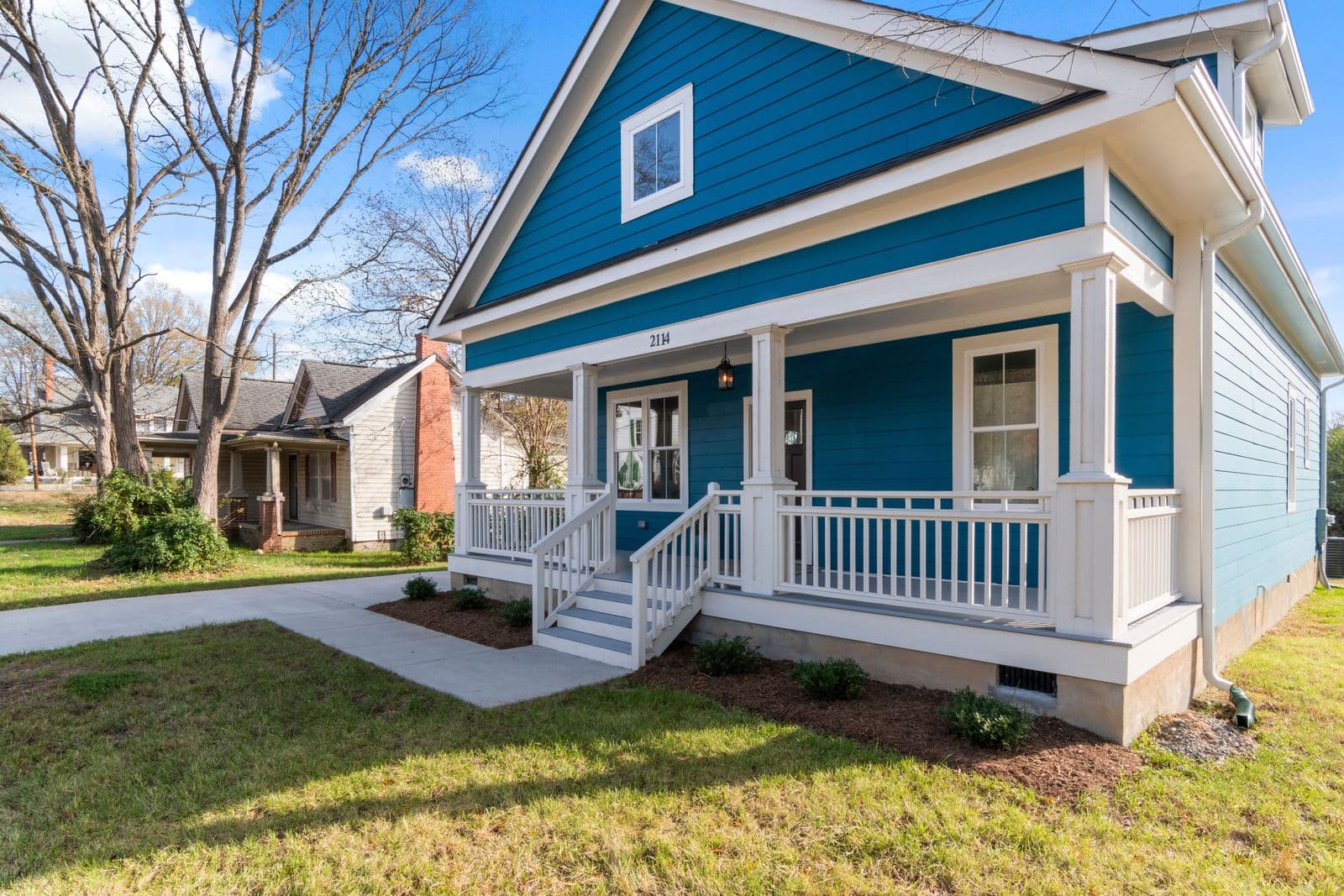
Whether to stay, adapt your home or move is one of the most personal decisions in retirement. A generic checklist can't tell you whether your stairs are a problem, whether your family is close enough to help, or whether you can afford to stay. Your Checkup starts with your answers about all three.
What your Checkup looks at
Your home decision, written for you
From what you tell us about the house, your priorities, the help nearby and getting around without driving, we write a short analysis of your realistic paths and the one question most likely to decide it. The choice stays yours.
What a sale would really free up
Using your home's value, any mortgage, selling costs and taxes, we show what you'd actually have after a sale, and what's left after buying a smaller place.
Your home next to your area
We compare your home's value and costs with your ZIP code, your metro area and the country, and show how home prices in your area have changed over time.
With a sale and without one
If you're thinking about selling, we run your forecast both ways, so you can see what the sale changes over the years.
Borrowing against your home
If you might use your home's value without moving, we explain what that would mean for your situation, including reverse mortgages and their trade-offs.
Who owns your home
We point out the questions to raise with an attorney about your deed, especially if you've refinanced or meant to hold the home in a trust.
What you’d see · Sample
Your home decision
Margaret, 74, a widow in Pennsylvania. Two-story house, bedroom upstairs; her daughter lives 40 minutes away.
You told us you'd like to stay, that the stairs are getting harder, and that you've stopped driving at night. Your realistic paths are adapting this house, moving to something on one level nearby, or moving closer to your daughter.
The question most likely to decide it is whether a first-floor bedroom and full bath can be added to this house. If they can, for about what a year of part-time help would cost, staying becomes a strong choice. If not, a move is worth a serious look.
If you sold, you'd keep about $319,600 after selling costs, with no tax owed. A two-bedroom condo near your church at $210,000 would leave about $110,000 to add to your savings, enough to cover help at home for several years.
From a sample Checkup for a fictional household. Your Checkup is written from your own answers.
How it ties into the rest of your plan
- If your forecast already counts on selling a home you'd prefer to keep, we point out the conflict.
- The cost of help at home is set against your budget, so staying put is weighed honestly.
- Tax on a sale, and the best timing for married couples, connects straight to your housing choice.
Background reading
- Selling your home in retirement: what you'll oweHow the home-sale tax break works, how to figure your profit, and what married couples and surviving spouses should know before they sell.
- Rental and second homes: the tax when you sellWhy the tax bill on a rental or vacation home is often bigger than people expect, and the common ways to lower or delay it, explained in plain language.
- Property tax relief for older homeownersHomestead exemptions, senior freezes, income-based credits and deferral programs: what they are, who they help, and why you usually have to ask.